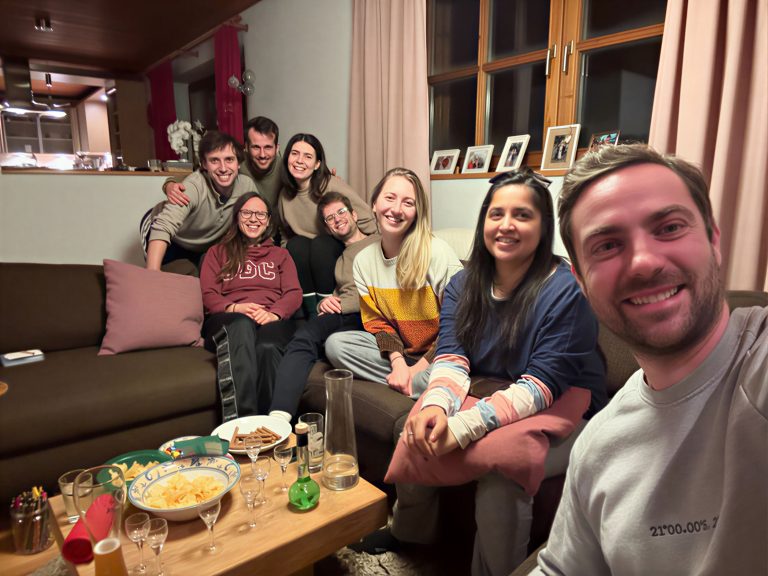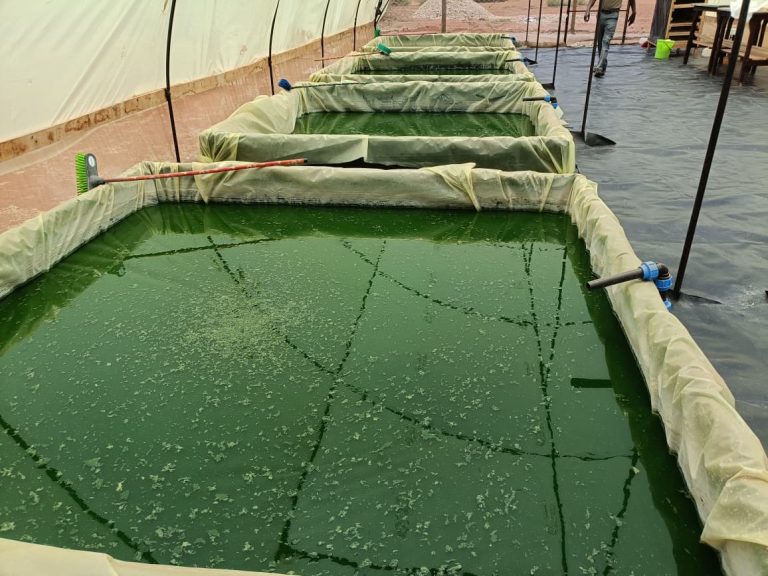
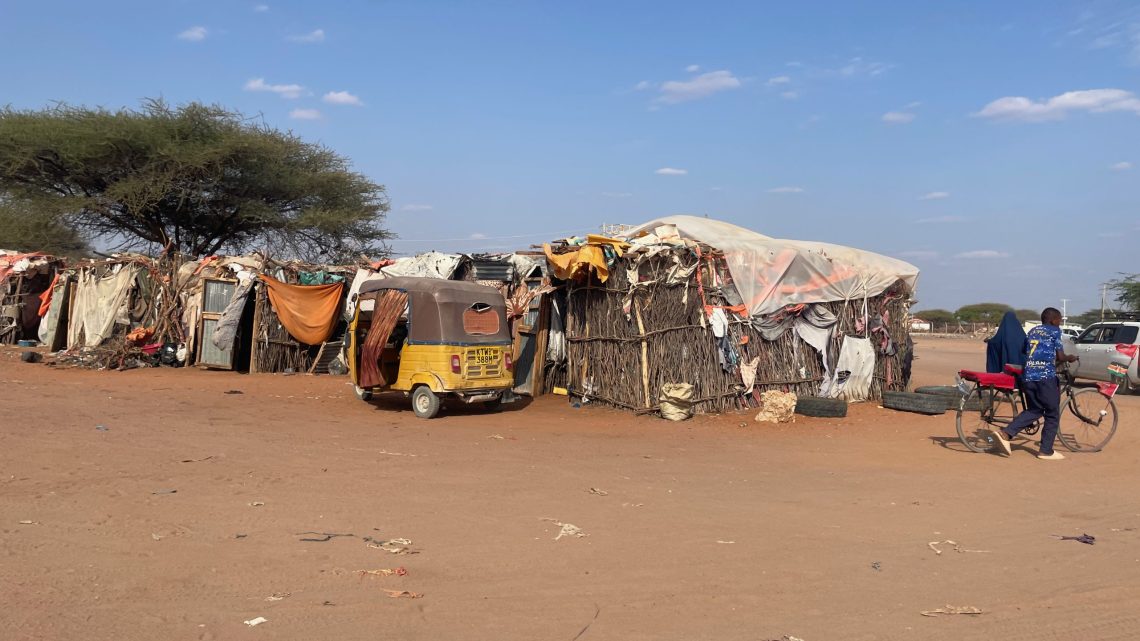
For years, we at Thriving Green have been working with our partners in Kenya to combat the prevalent malnutrition using the microalgae spriulina and thereby improve the living conditions of the population. We have already been able to celebrate some successes and set up several spirulina plants in Kenya. While we can make a small contribution in this way, it is mainly government-funded development aid programs that help countries like Kenya to develop further.
The drastic cuts in US development aid recently ordered by President Donald Trump have therefore had far-reaching and worrying effects on various sectors in Kenya. The consequences are particularly noticeable in the areas of healthcare, the economy and civil society structures.
Health care: A system under pressure
To date, US development aid has been a mainstay of Kenya’s health sector. Programs to combat HIV/AIDS, tuberculosis and malaria were largely funded by the US Agency for International Development (USAID). With the sudden halt to this funding, vital treatments and prevention measures are at risk. According to reports, the cuts could lead to an increase of up to 2,000 new HIV infections per day, which would undo the progress made so far in the fight against the epidemic.
Economic impact: A country in crisis
The abrupt cuts have not only affected the health sector, but have also caused considerable economic turmoil. In cities such as Kisumu and Nairobi, which are heavily dependent on the presence of international aid organizations, hotels, car rental companies and retailers are experiencing significant declines in sales. Thousands of employees of international aid organizations have been sent on unpaid leave, increasing unemployment and further weakening the local economy.
Civil society organizations: A hard blow
In addition to the direct economic and health consequences, civil society organizations are also suffering from the cuts. Many of these organizations, which are committed to economic development, education and human rights, are dependent on US funding. The loss of this support jeopardizes their existence and significantly weakens Kenya’s social infrastructure.
A call for solidarity
The current situation in Kenya highlights the dependence of many developing countries on foreign aid and the devastating consequences of sudden political decisions. It is imperative that the international community comes together to fill the gaps and develop sustainable solutions. The people of Kenya face enormous challenges, but with community engagement and innovative approaches, we can help improve their living conditions and build a sustainable future.
Sources
https://www.zdf.de/nachrichten/heute-journal/usa-entwicklungshilfe-kenia-100.html
https://www.ft.com/content/4fd49b57-d3b8-4beb-8cc8-d27d463beabe?